BEING AND BECOMING COUNSELLING AND WELLNESS SERVICES
Child Therapy in Burnaby
We offer a supportive space where your child can work through their feelings, learn helpful skills and increase resilience in the face of life’s challenges.

Child Therapy can help your child:
BUILD CONFIDENCE
REGULATE EMOTIONS
COMMUNICATE BETTER
You love your child and want to support them through tough times.

Your child is struggling, but they can't always tell you why. Meltdowns, trouble at school, withdrawal, or changes in behaviour leave you worried and unsure how to help. You've tried everything, but nothing seems to work.
Or maybe your child has been through something difficult - a loss, family change, or frightening event - but seems "fine" on the surface. You're left wondering if they're truly okay or just hiding their feelings.
Our professional child counsellors come alongside you as a parent to provide the support your child is needing.
In therapy, we can support your child through:

Grief and loss
Traumatic experiences
ADHD
Divorce or separation
Transitions like a recent move or change in schools
Sadness/depression
Anxiety
Behavioural challenges
Body image issues
Anger management
Struggles at school
Difficulty making friends
CHILD THERAPY IN BURNABY, BC
You know your child best.
If you notice any of the following signs in your child, it may be time to seek professional support:

More frequent acting out, emotional outbursts or irritability
Excessive worry or anxiety
Drastic changes in their mood, behaviour or personality
Decreasing self-confidence or self-image
Withdrawing from friends, family or activities they used to enjoy
Significant changes in their eating or sleeping habits
Struggles with school work or not wanting to go to school
CHILD THERAPY IN BURNABY
What is Child Therapy and How Does it Work?
Children often express their feelings through behaviour, not words. When kids act out or shut down, they're communicating the only way they know how. What looks like “bad” behaviour is usually a child trying to handle big emotions with limited tools.
Other times kids work hard to appear "okay" after difficult experiences because they don't want to worry the adults they love. This doesn't mean they've processed what happened - many children lack the words to express their feelings or don't know how to ask for help.
In child therapywe work to connect with, understand, and support you and your child. We build trust with your child through play, art, and other activities they enjoy. We work to uncover the feelings behind their behaviours. We help your child learn age-appropriate skills to handle emotions or situations they are encountering and we may give you strategies to better support your child at home.
Parenting is hard enough. You don’t have to go figure this out on your own.
Play Therapy
We also offer Play Therapy, a gentle approach that helps younger children express emotions and make sense of their experiences through play.
Play therapy is a developmentally appropriate approach that helps children work through challenges, build coping skills, and communicate feelings that may be difficult to put into words. It can be especially helpful for children experiencing anxiety, behavioural difficulties, or emotional overwhelm.
What You Can Expect from Child Counselling
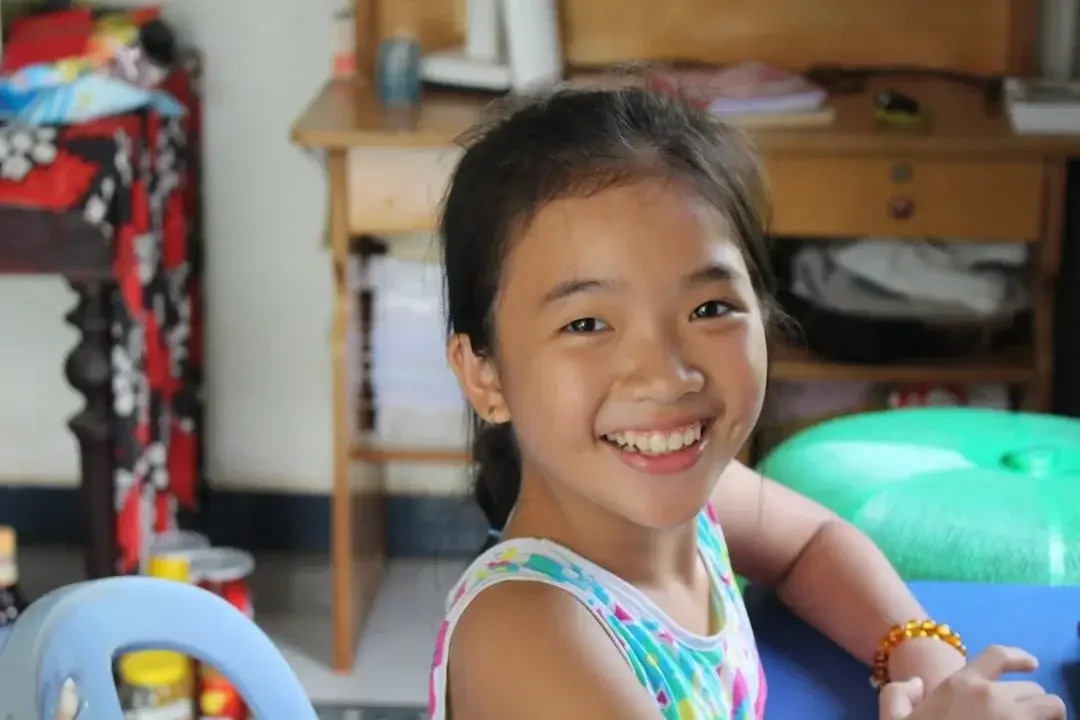
As your child continues in therapy you may notice improvements such as:
Increased ability to express and manage emotions effectively
Increased comfort around others and ability to make friends
Greater self-confidence
Decreased irritability or anger and increased happiness
Increased ability to manage stress and anxiety
Better communication
Better sleep
Ability to refrain from starting or provoking conflicts with siblings
More positive outlook on life
Our Approach
How We Help
1.
We Listen and Get to Know your Child
We listen to your concerns and goals to determine if therapy is right for your child. We then take the time to get to know your child, learning about the challenges they are experiencing as well as their strengths, the systems that surround them and their current needs.
2.
We Create a Plan
Every child is unique and we develop a treatment plan tailored to your child’s specific needs and situation. We take a strength-based, research-backed approach to therapy that takes into consideration your child’s developmental stage, strengths, supports, challenges and needs.
3.
We Help Your Child
We help your child feel seen, heard and understood. We provide the guidance, tools and resources to help your child move through painful experiences, develop skills and resilience to deal with their unique challenges. We continually check-in to evaluate progress and make adjustments as needed.
Therapists Offering Child Therapy
-

Morgan Loewen
Registered Clinical Counsellor
-

Pawandeep Kaur
Registered Clinical Counsellor
-
-
Children often express their feelings through behaviour rather than words. When your child is acting out, they might be struggling with difficult situations, stress, or feelings they don't know how to handle yet. Their behaviours serve as an outlet for these emotions.
-
It is normal for children to go through difficult patches, and not every struggle requires therapy. As a general guide, it may be time to seek support if your child's difficulties have persisted for more than a few weeks, are significantly affecting their daily life, school, friendships or family relationships, or if you feel out of your depth in supporting them. Trust your instincts as a parent — if something feels off, it is always okay to reach out for a professional opinion. An initial consultation can help clarify whether therapy is the right next step.
-
That's completely normal and happens a lot. Our therapists know how to connect with kids and build trust. Not all therapy needs talking - play and art therapy work really well for children who struggle to put their feelings into words. It might take some time, but we want to create a safe place where your child feels comfortable.
-
The duration of therapy will depend on the severity of the concerns your child is experiencing, the goals for therapy, the needs of your child and how your child is responding to therapy. Some children see progress in a few sessions, while others require significantly longer. Your child’s therapist will regularly assess your child’s progress and collaborate with you to determine the most effective treatment duration.
-
Confidentiality is an important part of building trust with your child in therapy. The specific content of what your child shares in sessions is generally kept private, as this helps children feel safe to open up honestly. However, parents are kept involved in the bigger picture — your child's therapist will provide updates on progress, share strategies you can use at home, and flag any concerns that arise. Confidentiality has limits — if your child discloses something that suggests they or someone else may be at risk of harm, the therapist is required to share that information to keep everyone safe. Your child's therapist will explain this clearly to both you and your child at the start of therapy.
-
Your involvement as a parent is crucial to your child’s success in therapy. Therapists often include parents in the process by providing updates, sharing resources or strategies and offering guidance to support your child’s progress. By working together you can create a home environment that complements the work being done in therapy, helping to ensure your child gets the most out of therapy.